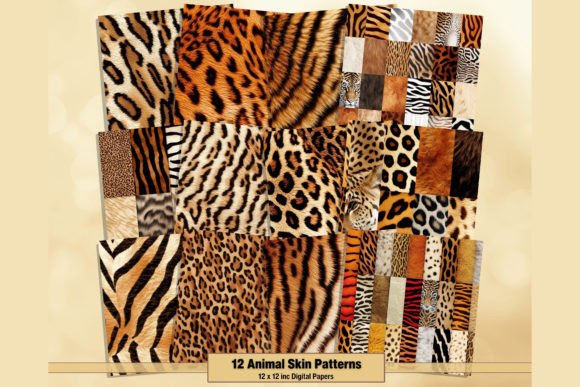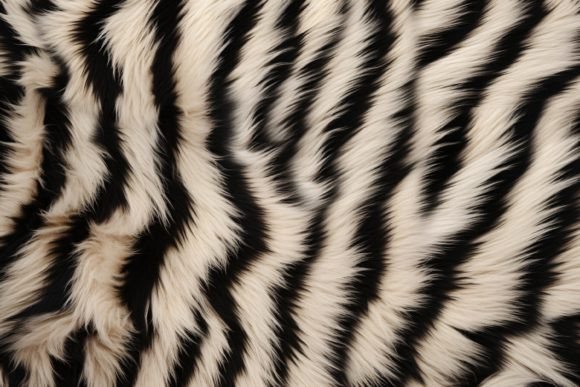
Zebra Skin Texture: A Versatile Digital Design Asset
In the world of digital design, texture is often the unsung hero that separates a flat, generic layout from something with palpable depth and realism. While typography commands attention, it is the background elements that set the emotional tone and visual weight of a composition. Enter the Zebra Skin Texture, a high-resolution digital asset designed to bring the raw, intricate beauty of animal patterns into your creative workflow. This isn't just about slapping a pattern onto a canvas; it’s about leveraging a sophisticated visual language that speaks to themes of nature, luxury, boldness, and organic elegance.
This specific digital download offers a 3000×2000 pixel JPG file at 300 DPI in RGB color space. These technical specifications are crucial for modern designers who need assets that hold up across both screen and print mediums without losing fidelity. Whether you are crafting a brand identity for a fashion label, designing packaging for an eco-friendly product, or creating social media graphics that need to stop the scroll, this versatile background provides a foundation of natural complexity that synthetic gradients simply cannot replicate.
The Visual Personality of Zebra Patterns
To understand how to effectively use a Zebra Skin Texture, one must first appreciate its inherent visual characteristics. Unlike the uniformity of a solid color or the subtle grain of paper, zebra stripes offer high-contrast geometry. The interplay of stark black and white creates a rhythm that is both chaotic and orderly. This duality makes it a powerful tool for modern typography and graphic design, as it naturally draws the eye and creates immediate focal points.
The personality of this texture is bold yet sophisticated. It avoids the cliché of being merely "wild" by presenting a clean, graphic quality that aligns well with contemporary aesthetic trends. When used correctly, it can evoke feelings of freedom, uniqueness, and premium quality. For instance, in packaging design, a subtle application of this texture can suggest luxury and exclusivity, much like the use of leather or exotic materials in physical goods. In web design, it can serve as a striking header background that communicates strength and individuality without overwhelming the user interface.
It is important to note that while the texture is inspired by nature, its digital representation allows for precise control. The 300 DPI resolution ensures that when you zoom in for detailed work, you won’t encounter the pixelation that plagues lower-quality stock images. This clarity is essential for maintaining professionalism in your final deliverables. The RGB color mode further ensures that the blacks remain deep and the whites crisp on digital screens, which is vital for devices ranging from smartphones to large-format monitors.
Strategic Applications Across Creative Projects
The versatility of this design asset lies in its ability to adapt to various industries and project types. Here is how different professionals can integrate this texture into their workflows for maximum impact.
- Graphic Design and Branding: For agencies building a brand identity for clients in the fashion, lifestyle, or automotive sectors, this texture adds an instant layer of sophistication. It works exceptionally well as a backdrop for logos, allowing the primary mark to pop through negative space or contrast. It can also be used in editorial design for magazines or lookbooks, providing a tactile feel to digital publications.
- Packaging Design: If you are designing labels for cosmetics, spirits, or artisanal goods, a Zebra Skin Texture can elevate the perceived value of the product. It suggests a connection to nature but with a refined, high-end twist. Consider using it as a secondary element behind a minimalist logo to create visual interest without cluttering the front face of the package.
- Social Media Graphics: Content creators need visuals that stand out in crowded feeds. Using this texture as a base for quotes, announcements, or promotional posts can increase engagement. The high contrast ensures readability if paired with the right font choices. It transforms standard templates into custom, branded content that feels more intentional and less templated.
- Digital Art and Photography: Photographers and digital artists can overlay this texture to add grit and character to portraits or landscape edits. Blending modes such as Overlay or Soft Light can integrate the texture seamlessly, adding depth to skin tones or enhancing the drama of a scene. It serves as an excellent tool for creating mood boards or concept art where organic elements are required.
Practical Guidance for Implementation
Integrating a high-contrast texture like zebra skin requires thoughtful consideration to avoid visual noise. The key is balance. Because the pattern itself is visually busy, it demands simplicity in other areas of your design. When selecting fonts to pair with this background, opt for clean, legible typefaces. A classic sans serif font often works best for body text, ensuring readability against the complex backdrop. For headlines, a bold display font can complement the strong lines of the texture, creating a harmonious dialogue between the two elements.
When evaluating project fit, consider the context. Is the goal to convey luxury, edginess, or natural authenticity? The Zebra Skin Texture leans towards luxury and edginess. It may not be suitable for projects requiring softness or subtlety, such as baby products or serene wellness brands, unless heavily desaturated or blurred. Always test your designs in grayscale first. If the hierarchy breaks down without color, the contrast between the texture and your foreground elements might be too aggressive.
Technical execution is equally important. Since the file is provided as a high-resolution JPG, you have the flexibility to resize it for various applications. However, always keep the original 3000×2000 px file intact for future needs. When working in software like Photoshop or Illustrator, utilize layer styles and blending modes to customize the texture. Adjusting opacity, adding drop shadows, or applying filters can help the texture integrate more naturally with other design components. Remember to check the commercial licensing terms included with the download to ensure your usage rights align with your project scope, whether it is for personal hobbies or client work.
Ultimately, the power of the Zebra Skin Texture lies in its ability to add a layer of narrative to your designs. It tells a story of nature’s artistry, translated into a format that is accessible and easy to use. By approaching it with a strategic mindset—balancing its bold visual weight with clean typography and purposeful layout—you can create designs that are not only aesthetically pleasing but also effective in communicating your brand’s message. This asset is more than just a background; it is a tool for elevating your creative output, offering a touch of wild elegance that resonates with audiences seeking authenticity and style.