Flowing Liquid Metal Texture Backgrounds: Elevating Digital and Physical Design Projects
In the realm of modern graphic design, visual impact is paramount. Designers, crafters, and digital artists are constantly seeking ways to add depth, luxury, and movement to their work without spending hours creating complex 3D renders from scratch. This is where Flowing Liquid Metal Texture Backgrounds come into play. These high-resolution assets offer a sophisticated solution for anyone looking to incorporate the sleek, futuristic aesthetic of metallic fluids into their creative workflow.
Whether you are designing a high-end invitation suite, a dynamic website header, or a physical banner for an event, the right texture can transform a flat design into something tactile and immersive. The following guide explores how these metallic flow patterns can address common design challenges and provides practical advice on utilizing them effectively across various mediums.
Understanding the Aesthetic Appeal
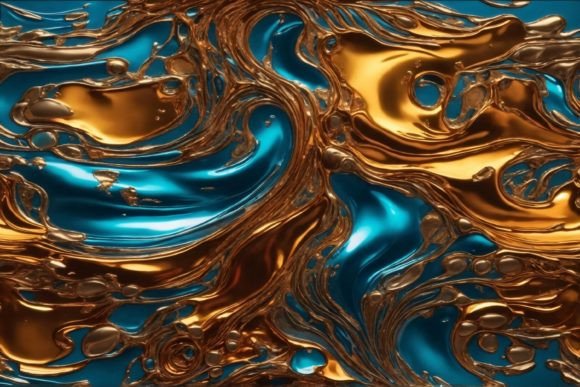
At its core, Flowing Liquid Metal Texture Backgrounds represents a convergence of organic fluidity and industrial precision. Unlike static metal textures that appear rigid or cold, liquid chrome and flowing titanium patterns suggest motion. They capture the exact moment when molten metal cools, creating intricate swirls, sharp highlights, and deep shadows that mimic real-world physics.
This aesthetic is particularly popular in contemporary design trends because it evokes feelings of innovation, premium quality, and technological advancement. When you use Liquid Chrome Backgrounds or Fluid Metal Backgrounds, you are not just adding color; you are adding a sense of weight and reflection that draws the viewer’s eye. For adults seeking practical solutions for their projects, this means achieving a professional, polished look with minimal effort.
Solving Common Design Challenges
Many creators face specific hurdles when trying to achieve a metallic look. Creating realistic reflections requires a deep understanding of lighting, material properties, and compositing techniques. Even experienced designers may find that manually rendering liquid metal takes significant time and computational power. Furthermore, finding free resources online often results in low-resolution images that pixelate when enlarged, ruining the integrity of a print project.
Flowing Liquid Metal Texture Backgrounds solve these problems by providing ready-to-use, high-fidelity assets. By using pre-made textures, you bypass the steep learning curve of 3D modeling software. You gain immediate access to complex patterns that would otherwise take days to generate. This allows you to focus on composition, typography, and overall layout rather than struggling with the technicalities of texture creation.
What Makes This Collection Stand Out?
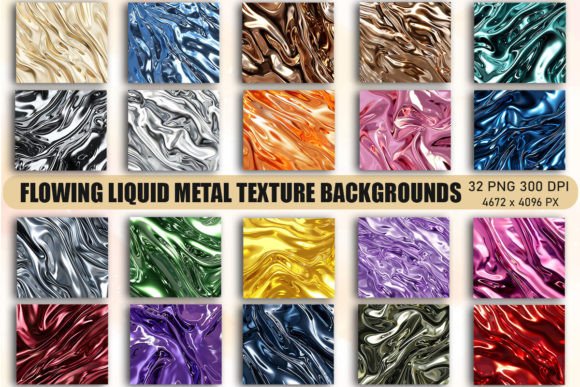
For those considering acquiring a pack like the one offered by Lazysun, it is important to understand the technical specifications that make these files valuable. The inclusion of 32 PNG files ensures variety, giving you multiple options for different moods and color palettes. Each file is approximately 4672 x 4096 pixels at 300 DPI.
Why do these numbers matter? High resolution is critical for both digital and print applications. At 300 DPI, these images are crisp enough for large-format printing, such as banners or posters, without becoming blurry. The PNG format is equally important because it supports transparency. This means you can layer these metallic flows over other elements—like text, logos, or photographs—without being constrained by a solid rectangular background. This flexibility is essential for creating layered, complex designs.
Practical Applications Across Industries
The versatility of Flowing Titanium Textures allows them to be applied in numerous sectors. Here is how different professionals might utilize these assets:
- Event Planners and Stationery Designers: Use Metallic Flow Patterns for wedding invitations, gala tickets, or corporate event backdrops. The luxurious feel of liquid metal pairs beautifully with elegant serif fonts and gold foil accents.
- Digital Marketers: Incorporate Liquid Metal Backgrounds into social media banners, email headers, or ad creatives. The dynamic nature of the flowing shapes can increase click-through rates by capturing attention in crowded feeds.
- Web Developers: Utilize these textures as hero section backgrounds for tech startups, automotive brands, or fashion websites. Because the files are large, they can be cropped to fit specific screen sizes while maintaining clarity.
- Craft Enthusiasts: Print the designs for scrapbooking, card making, or mixed media art. The high resolution ensures that details remain visible even when printed on standard home printers.
Implementation Tips for Best Results
To get the most out of your Flowing Liquid Metal Texture Backgrounds, consider the following practical recommendations:
- Layering and Blending: Do not simply place the image on a white canvas. Experiment with blend modes in your editing software (such as Multiply, Overlay, or Screen) to integrate the metal texture with underlying colors. This creates a more cohesive and less "sticker-like" appearance.
- Typography Contrast: Metallic backgrounds can be visually busy. Ensure your text has strong contrast. White or black text usually works best against silver or chrome tones. Consider adding a subtle drop shadow or a semi-transparent backing box behind text to improve readability.
- Color Variations: While the base files are likely silver/chrome, remember that colors may vary depending on devices and printers. If you need a specific hue, use adjustment layers in Photoshop or GIMP to tint the metal before finalizing your design.
- File Management: As noted, these items are digital products delivered in a .ZIP file. Ensure you know how to unzip files on your PC or Mac to retrieve the PNGs immediately upon purchase. Keeping your assets organized in dedicated folders will streamline your future projects.
Important Considerations for Buyers
When working with digital assets, it is crucial to set realistic expectations. First, these files are NOT SVG files. This distinction is vital for users who intend to use cutting machines like Cricut or Silhouette. Since the files are raster-based (pixels) rather than vector-based (mathematical paths), they cannot be scaled infinitely without losing quality, nor can they be used directly for precise cutting operations. However, they are perfect for printing and digital display.
Additionally, while the dimensions are large and can be resized down without losing quality, always start with the original high-resolution file. Avoid stretching or distorting the aspect ratio, as this can warp the natural flow of the liquid metal effect. If you need a specific dimension that differs significantly from the original 4672 x 4096 ratio, crop the image carefully to maintain the integrity of the design.
Conclusion
Incorporating Flowing Liquid Metal Texture Backgrounds into your design toolkit is a strategic move for anyone aiming to produce high-quality, visually striking content. Whether you are a seasoned graphic designer looking to speed up your workflow or a hobbyist wanting to create professional-looking cards and banners, these assets provide the perfect balance of beauty and utility.
By leveraging the included 32 high-resolution PNGs, you can explore endless creative possibilities. From web backgrounds to physical prints, the ability to layer transparent, detailed metallic flows offers a level of sophistication that is hard to achieve through other means. Take advantage of this resource to elevate your projects, ensuring they stand out in a crowded digital and physical landscape. Thank you for exploring these creative opportunities with Lazysun.