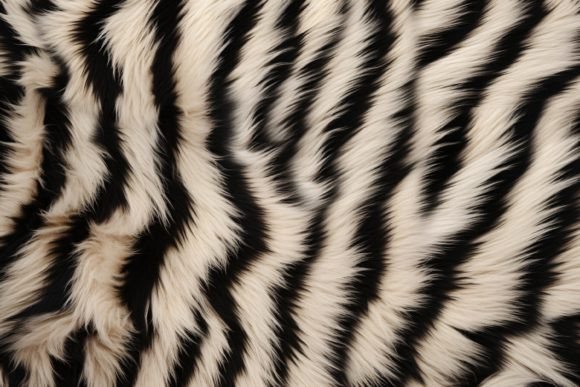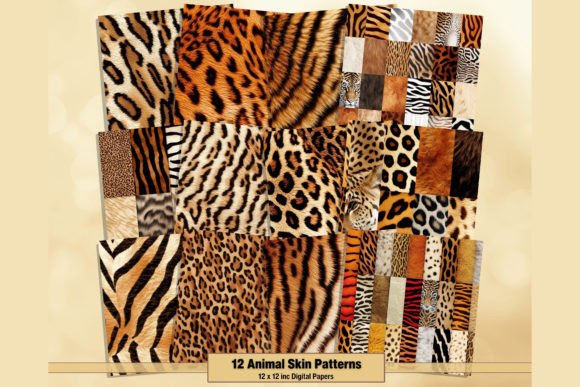
Animal Skin Pattern Safari Digital Paper
In the fast-paced world of visual communication, a single texture can instantly transform a flat design into a compelling narrative. Animal Skin Pattern Safari Digital Paper offers more than just a decorative background; it provides a sophisticated foundation for brands and creators seeking to inject wild elegance and exotic character into their projects. Whether you are refining a luxury packaging concept or designing an immersive social media campaign, these high-resolution assets serve as a bridge between modern minimalism and organic, untamed aesthetics.
The Strategic Value of Exotic Textures in Branding
From a professional graphic design perspective, the choice of background texture is never arbitrary. It plays a critical role in establishing visual hierarchy and setting the emotional tone before a viewer even reads a single word. The unique patterns found in leopard, zebra, and giraffe skins introduce a sense of movement and depth that solid colors often lack. When integrated thoughtfully into a brand identity, these elements can signal attributes like boldness, adventure, and exclusivity.
For designers working on packaging design or editorial layouts, using high-quality digital papers ensures that the final output maintains its integrity across different mediums. A jagged print pattern might feel chaotic on a low-resolution screen but can appear incredibly sharp and luxurious on premium matte paper. This versatility allows for a cohesive design workflow where assets transition seamlessly from digital marketing materials to tangible merchandise.
Enhancing User Experience with Natural Elements
In the realm of UI design and web design, overusing complex patterns can lead to cognitive overload. However, when used sparingly as a backdrop for key content areas, animal skin patterns can create a memorable user experience. They draw the eye to specific call-to-action buttons or featured products without overwhelming the typography. The key lies in balancing the intricate details of the print with clean, legible fonts and ample negative space.
Consider how a travel agency or an outdoor lifestyle brand might utilize these assets. By pairing a subtle safari print with a strong sans-serif typeface, they create a contrast that feels both adventurous and professional. This combination leverages modern aesthetics while honoring the raw beauty of nature, making the design feel authentic rather than cliché.
Practical Applications Across Creative Industries
The utility of these digital papers extends far beyond simple scrapbooking. Professional creators leverage these files to elevate a wide array of deliverables. Here is how these assets fit into various creative workflows:
- Social Media Graphics: Use textured backgrounds to make Instagram stories or Facebook posts stand out in a crowded feed, adding a layer of sophistication that generic gradients cannot match.
- Editorial Design: Incorporate these patterns as section dividers or drop caps in magazines and blogs to add visual interest without distracting from the main text.
- Digital Products & Ephemera: For those creating printable planners or junk journals, high-resolution downloads ensure that every page looks crisp when printed at home or professionally bound.
- Advertising Campaigns: Create impactful posters or banners where the texture evokes a specific mood, such as the thrill of the wild or the comfort of natural living.
Technical Standards and Asset Quality
When sourcing creative assets, resolution is non-negotiable. To ensure your designs look polished on any device or print medium, it is essential to work with files that meet rigorous standards. High-quality collections typically offer 12 x 12 inch canvases at 500 DPI or higher. This level of detail guarantees that the intricate lines of a zebra stripe or the spots on a cheetah remain sharp, even when scaled up for large-format prints.
Furthermore, working with JPG files in this format allows for easy integration into industry-standard software like Adobe Photoshop and Illustrator. The color palette inherent in these designs usually features warm earth tones—golds, browns, blacks, and creams—which are highly compatible with most color schemes. This compatibility simplifies the process of matching new textures to existing brand guidelines.
Best Practices for Integration
To achieve a professional result, always consider the context of your audience. A heavy, high-contrast animal print works well for a bold fashion brand but might be too aggressive for a corporate finance presentation. The goal is to enhance the message, not overpower it. When combining these patterns with typography, ensure there is sufficient contrast so that the text remains readable against the busy background.
By selecting the right balance of texture and simplicity, designers can create visuals that are both aesthetically pleasing and functionally effective. Ultimately, the right design inspiration can turn a standard project into a standout piece that resonates deeply with viewers.
Investing in premium digital papers is an investment in the overall quality of your work. These resources provide the building blocks for designs that communicate clarity, style, and intent. Whether you are crafting a personal scrapbook or a global marketing campaign, the thoughtful application of animal skin patterns adds a touch of undeniable flair that elevates your entire visual narrative.