Hanging Fabrics Mockup Picture
Visual presentation is everything in the creative industry. Whether you are a textile designer, an independent artist, or a fashion entrepreneur, the gap between a digital file and a physical product can feel vast. Clients often struggle to imagine how a flat, two-dimensional pattern will translate onto soft, flowing material. This is where a Hanging Fabrics Mockup Picture becomes an indispensable tool. It bridges that visual gap, allowing you to showcase your work in a realistic context before a single thread is sewn or a meter of fabric is printed.
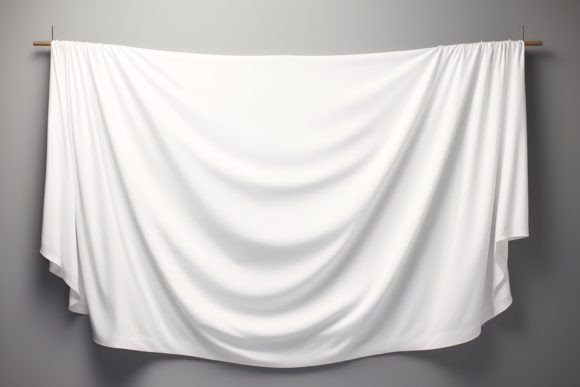
The concept is straightforward yet powerful. By using a high-resolution image of draped or hanging fabric as a base layer, you can overlay your designs to see exactly how they interact with folds, shadows, and lighting. This isn't just about making things look pretty; it’s about communication. When you present a design on a static grid, you are showing data. When you present it on a Hanging Fabrics Mockup Picture, you are telling a story about texture, movement, and final aesthetic appeal.
Why Context Changes Everything
In the world of print-on-demand and custom apparel, rejection rates often stem from a lack of clarity. A customer might love a geometric pattern in isolation but hesitate when asked to commit because they cannot visualize its scale or drape. A Hanging Fabrics Mockup Picture solves this by providing immediate context. It simulates the weight and flow of real textiles, giving potential buyers or clients a tangible sense of the product.
Consider the difference between displaying a floral print on a white background versus draping it over a mannequin form or letting it hang naturally against a textured wall. The latter evokes emotion. It suggests comfort, luxury, or casual wear depending on the styling. For designers, this emotional connection is what drives sales. It transforms a simple graphic into a desirable object. By utilizing a Hanging Fabrics Mockup Picture, you are not just selling a design; you are selling the experience of wearing or using it.
Real-World Applications Across Industries
The versatility of a Hanging Fabrics Mockup Picture extends far beyond traditional fashion. While shirt designs are a common use case, the applications are nearly limitless for anyone dealing with textiles or surface patterns.
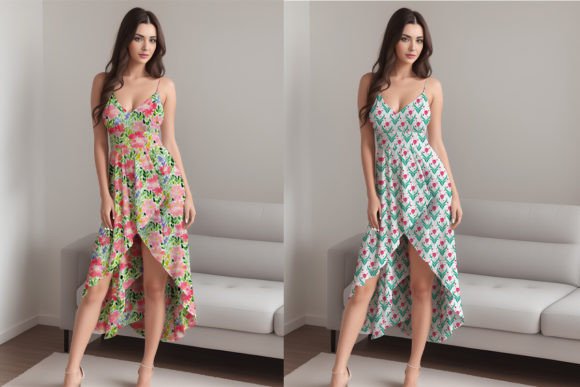
- Fashion Designers: Use these mockups to present seasonal collections to retailers. Seeing a dress pattern draped realistically helps buyers understand how the fabric will move on a body, reducing the need for expensive physical samples during the initial pitching phase.
- Interior Decorators: If you create patterns for curtains, upholstery, or throw pillows, a hanging fabric mockup is crucial. It allows clients to visualize how a bold wallpaper-inspired fabric might look when used for heavy drapery, complete with natural folds and light filtering through.
- Surface Pattern Designers: Artists who license their work for various products benefit immensely. A single Hanging Fabrics Mockup Picture can demonstrate how a repeating pattern looks at different scales and densities, helping licensors see the potential across multiple product lines.
- E-commerce Sellers: On platforms like Etsy or Shopify, product photos are your only chance to make an impression. High-quality mockups that show fabric behavior increase trust. Customers are more likely to purchase if they can see how the material hangs and flows, rather than just seeing a flat scan of the artwork.
Technical Considerations for Best Results
To get the most out of a Hanging Fabrics Mockup Picture, understanding the technical specifications is key. Most professional mockups come as high-resolution JPG files, typically around 300 DPI, ensuring that your designs remain crisp even when viewed up close. A standard resolution might be 3000×2000 pixels, which provides ample space to work without pixelation issues.
Color accuracy is another critical factor. These files are usually in RGB color mode, which is standard for digital displays. However, keep in mind that screen colors may vary slightly from physical prints. When placing your design, ensure your own workspace is calibrated for accuracy so that the hues you see on screen match your expectations for the final print. Using Photoshop or similar editing software allows you to utilize blending modes like Multiply or Overlay, which help integrate your design seamlessly with the underlying fabric textures and shadows.
Common Pitfalls to Avoid
While a Hanging Fabrics Mockup Picture is a powerful asset, it is not a magic wand. There are common mistakes that can undermine its effectiveness. One frequent error is ignoring the perspective of the fabric. If your design is applied flatly without adjusting for the curves and folds of the hanging material, it will look artificial and detached from the scene. Always warp or transform your design layer to follow the contours of the fabric in the mockup.
Another consideration is scale. A pattern that looks balanced on a small swatch might become overwhelming or lose detail when scaled up to cover a large area of hanging fabric. Before finalizing your presentation, zoom out and view the mockup at thumbnail size to ensure the overall composition still works. Additionally, be mindful of lighting. If the mockup features strong directional lighting, try to adjust the brightness and contrast of your design slightly to match, creating a cohesive and believable image.
Streamlining Your Workflow
Efficiency matters in creative workflows. Setting up a custom mockup from scratch every time you launch a new design is time-consuming. Having a library of pre-made Hanging Fabrics Mockup Pictures allows you to focus on creativity rather than technical setup. You can simply download the file, open it in your preferred app, and place your awesome design on top. This rapid prototyping capability means you can test multiple variations of a pattern quickly, offering clients choices and iterating faster based on feedback.
Furthermore, these mockups serve as excellent portfolio pieces. They elevate the perceived value of your work. Even if you are just starting out, presenting your designs on professional-grade hanging fabric mockups signals that you understand the industry standards. It shows that you care about how your art looks in the real world, not just in the digital realm.
Final Thoughts on Visual Storytelling
Ultimately, the goal of any designer is to connect with their audience. A Hanging Fabrics Mockup Picture facilitates this connection by providing a realistic preview of the final product. It removes uncertainty and builds confidence. Whether you are pitching to a major brand or selling directly to consumers, the ability to show how your artworks look beautifully in reality sets you apart. It demonstrates professionalism, attention to detail, and a deep understanding of textile dynamics. By leveraging these resources effectively, you turn abstract concepts into compelling visual narratives that resonate with viewers and drive engagement.